


Characteristics and health Benefits of Cameroonian White Pepper
- Color and Appearance:
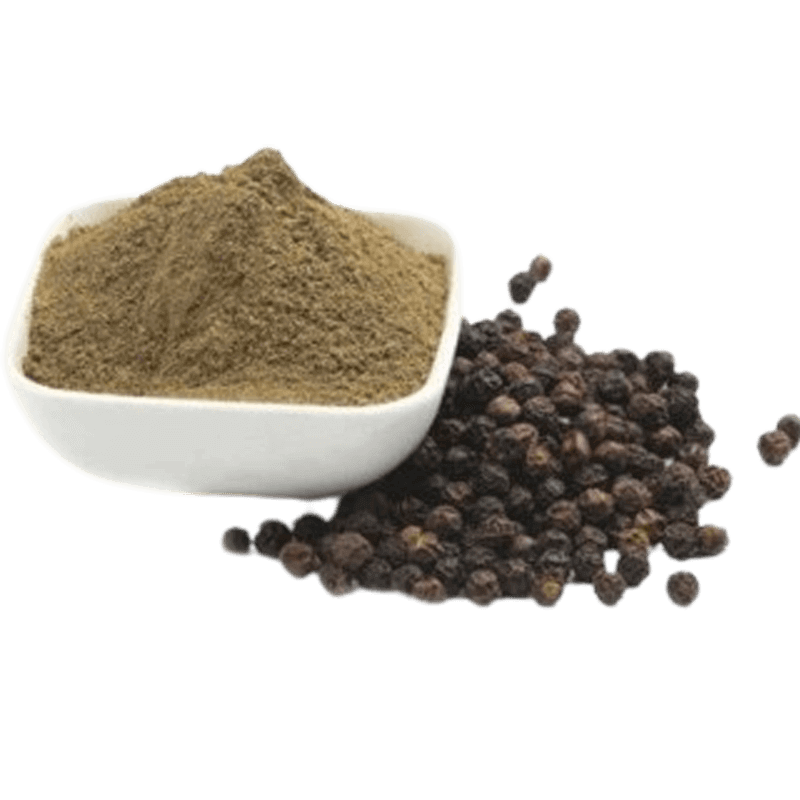
- White to light beige in color.
- Typically ground into a fine powder or available as whole peppercorns.
- Flavor Profile:
- Milder than black pepper but with a more complex, earthy, and slightly fermented taste.
- Less pungent with a subtler heat and a hint of sweetness.
- Processing Method:
- Harvest from farms and dry them for ready use.
- Packed them in recyclable bags and and store in safe place.
- Culinary Uses:
- Preferred in light-colored dishes where black pepper specks would be visually undesirable, such as white sauces, soups, and mashed potatoes.
- Common in European and Asian cuisines, particularly in Chinese and Thai dishes.
- Used in spice blends, marinades, and rubs for meat, poultry, and seafood.
- Health Benefits:
- Rich in antioxidants and has anti-inflammatory properties.
- Aids in digestion and can help improve appetite.
- Sourcing and Quality:
- Cameroonian white pepper is highly regarded for its quality and distinctive flavor.
- When purchasing, look for a consistent color and a fresh, earthy aroma as indicators of quality.
Tips for Using White Pepper
- Quantity: Use sparingly as its flavor, although milder than black pepper, is quite distinct.
- Storage: Keep in an airtight container away from light and moisture to preserve its flavor and potency.
- Pairing: Complements ingredients like garlic, ginger, and lemon. It also works well with dairy products, eggs, and root vegetables.
Cultural Significance
White pepper is integral to many traditional Cameroonian dishes. It plays a key role in flavoring sauces, stews, and spice blends. In addition to its culinary uses, white pepper is also valued for its medicinal properties in traditional practices.
By incorporating Cameroonian white pepper into your culinary repertoire, you bring a unique and authentic touch to your dishes, enhancing their flavor with a spice that has a rich cultural and gastronomic heritage.



Reviews
There are no reviews yet.